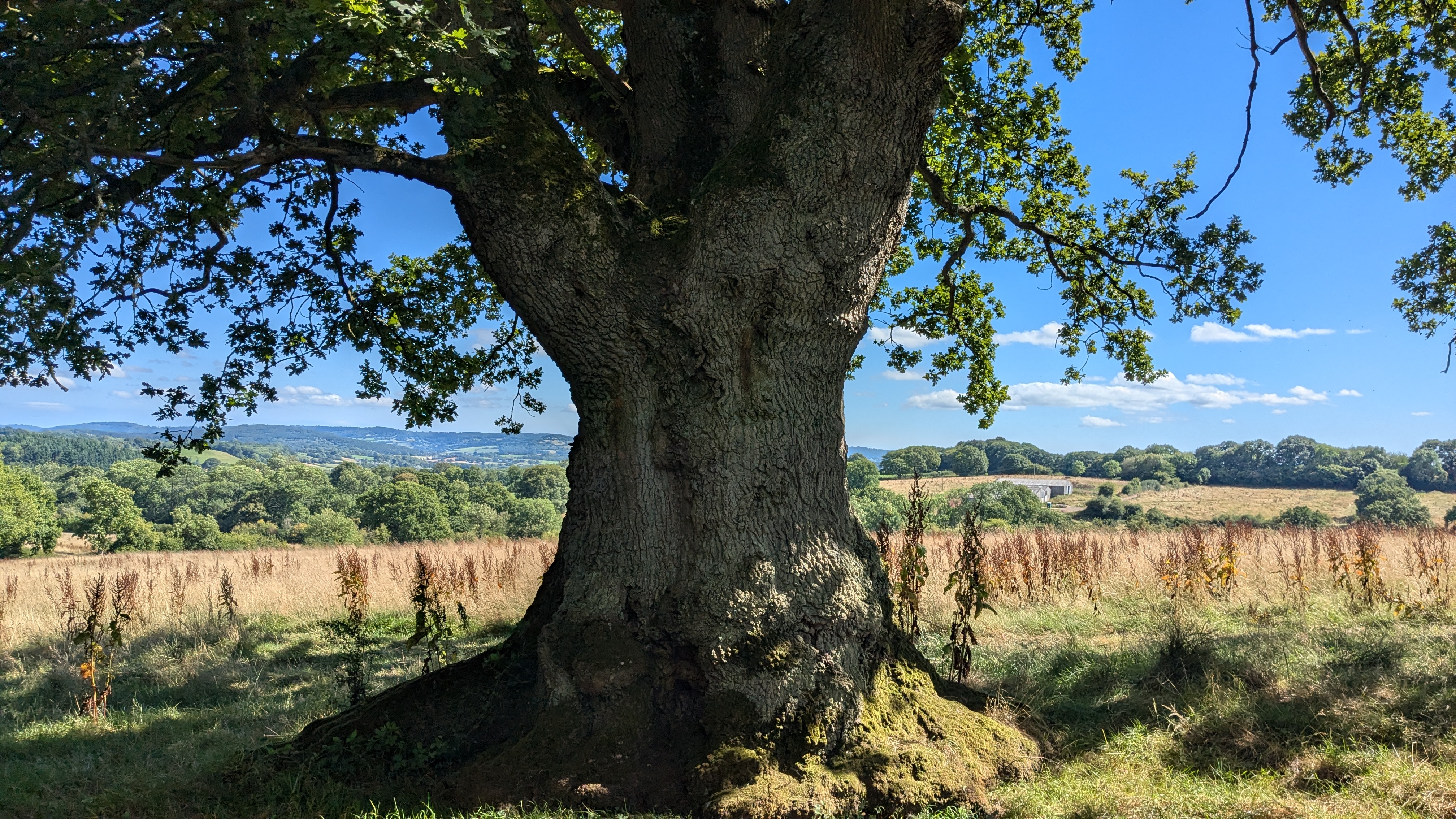
Imagine your team stepping out of the usual office environment and into a world of meadows, woodland and open skies. Beyond the immediate sense of relief, time in nature produces measurable changes in the way we think, feel and relate. This isn't just a hunch, it's grounded in decades of psychology and neuroscience research. In this article, we explore why natural environments are so powerful for team development and what the evidence means for your next off‑site.
Attention Restoration: recovering focus in a distracted world
Modern workplaces bombard us with notifications, tight deadlines and information overload. Attention Restoration Theory (ART), first articulated by Rachel and Stephen Kaplan in 1989 and set out in full by Stephen Kaplan in 1995, explains why stepping into nature can break that cycle. According to ART, natural settings hold our attention in a gentle, effortless way that allows the brain's directed attention system to rest and replenish.
When your team spends time outdoors, the "soft fascination" created by birdsong, trees and open vistas gives their cognitive resources a chance to recover. Studies have shown that teams in natural environments experience improved focus and problem‑solving abilities. They're better able to listen deeply, make connections and think creatively.
What does this mean for leaders?
- Clearer strategic thinking. After time in nature, people are better equipped to consider long‑term perspectives rather than react to immediate pressures.
- Reduced cognitive fatigue. A refreshed attention system helps participants engage fully with complex discussions without feeling drained.
- More considered conversations. Teams that aren't fighting distraction can ask better questions and arrive at more thoughtful answers.
Stress Recovery: calming the nervous system
Another key framework, Stress Recovery Theory, set out by Roger Ulrich and colleagues in 1991, shows that exposure to natural settings quickly lowers blood pressure and cortisol, activating the body's parasympathetic "rest and digest" system. Put simply, nature helps us exhale.
Research into nature‑based corporate retreats confirms these physiological effects. Natural environments reduce stress levels, enhance mental clarity and foster better interpersonal relationships. When the nervous system calms down, people listen more openly and connect more authentically.
What does this mean for team dynamics?
- Improved communication and trust. Paul Zak's research for Harvard Business Review found that people at high‑trust companies reported 50% higher productivity and 76% more engagement than people at low‑trust companies. Time outdoors lowers stress and helps break down hierarchical barriers so everyone feels safe to speak up.
- Increased empathy and perspective‑taking. Experiencing the natural world together fosters shared moments that translate into greater understanding back in the office.
- Enhanced wellbeing. Work‑related stress, depression or anxiety accounted for 22.1 million lost working days in Great Britain in 2024/25, which is 62% of all working days lost to work‑related ill health, according to the Health and Safety Executive. Retreats that combine nature and reflection can support resilience long after the event.
Creativity and problem solving: thinking outside the boardroom
Beyond stress reduction, nature also boosts creativity and encourages innovative thinking. Outdoor experiences disrupt routine patterns and encourage new perspectives. Teams participating in guided walks, navigation challenges or simply exploring varied landscapes report surges in imaginative thinking, because novel environments stimulate novel ideas.
Natural settings also encourage teams to break out of formal roles. Without boardroom tables and slide decks, people relate side by side rather than across hierarchical lines. This levelling effect encourages quieter voices to contribute, enriching the pool of ideas. The outcome is collaborative problem solving that feels inclusive and energising.
Bringing science to your next retreat
Here are four evidence‑backed elements to incorporate into any nature‑centred off‑site:
- Unplugged time outdoors. Build in unstructured walking or sitting in nature to allow attention systems to rest. Even brief periods can restore focus and creativity.
- Guided reflection. Pair outdoor activities with structured dialogue led by an experienced facilitator. Reflection turns the restorative effects of nature into insight and action.
- Equalising activities. Choose exercises that minimise hierarchy and encourage side‑by‑side collaboration, such as shared conservation projects or group navigation challenges.
- Follow‑through planning. Use the clarity gained outdoors to define next steps and accountability. Without integration, the benefits of your retreat will dissipate quickly.
Looking ahead
Part three explores why nature alone isn't enough, and how skilled facilitation turns restorative experiences into lasting change. If you are curious about designing a retreat grounded in science and tailored to your team, our corporate away days are built on exactly this evidence, and you can book a discovery call to talk it through.
Part two of a four‑part series. Previously: Why traditional away days fall short. Next: Why skilled facilitation matters.