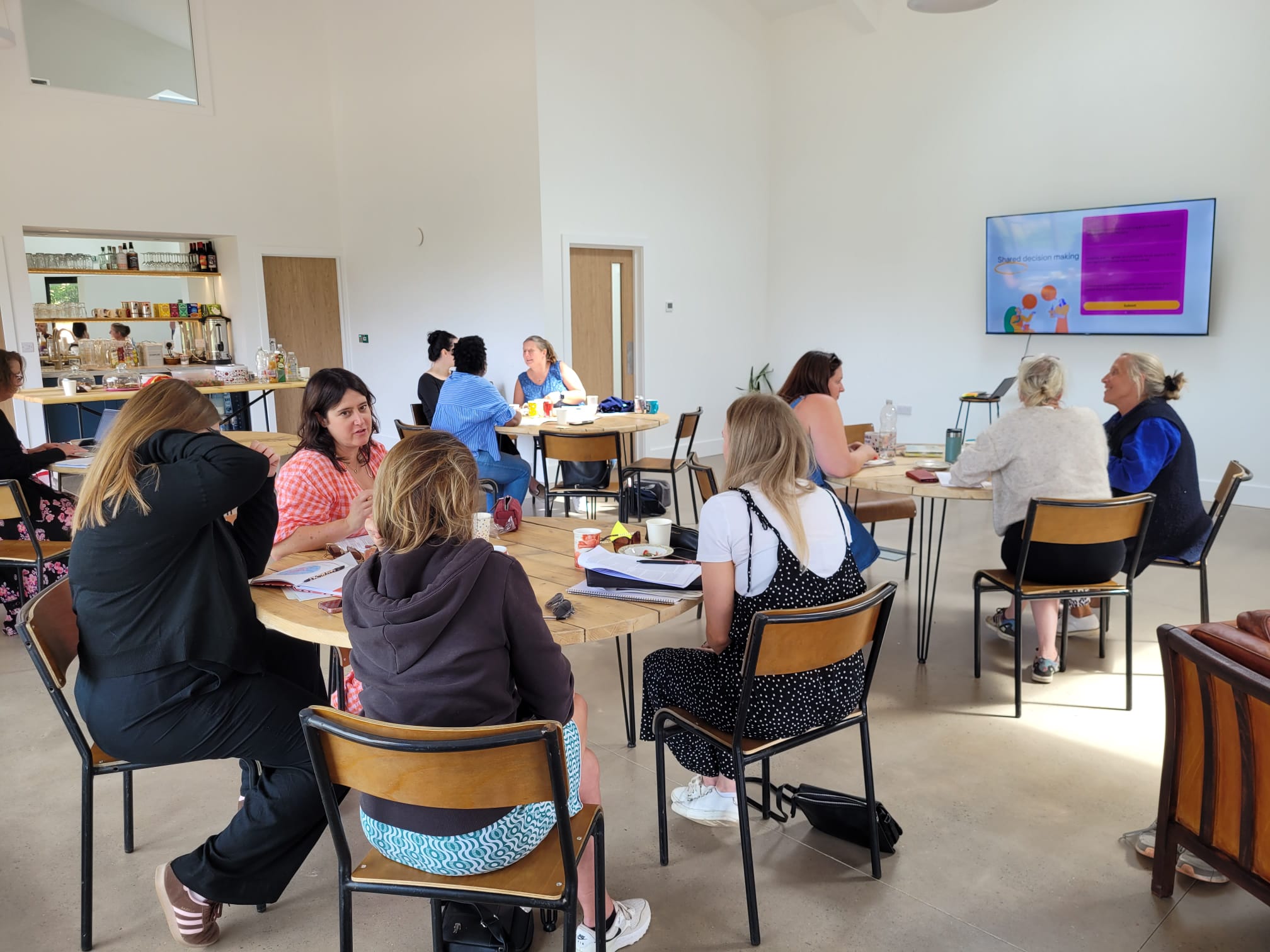
How many corporate away days have you attended over the years? How many of those gatherings have actually changed the way your team works together? If you're like most leaders, you've sat in yet another hotel conference room, blue‑sky thinking under fluorescent lights, and dutifully worked through a pre‑packaged icebreaker. At best, you may have enjoyed a decent pastry and collected a few sticky notes. At worst, you've wasted your most precious resource: your people's time.
The problem with "off‑the‑shelf" retreats
Traditional away days tend to prioritise activity over reflection. They're often designed around doing; obstacle courses, escape rooms, or volunteer projects, rather than around the deeper conversations that create alignment and trust. While these experiences can energise a team temporarily, they rarely lead to meaningful change.
Without skilled facilitation, the same voices dominate, old habits go unchallenged and any insights evaporate as soon as everyone returns to their inboxes.
Research shows that misalignment and poor communication are major barriers to performance. In Paul Zak's research for Harvard Business Review, people at high‑trust companies reported 50% higher productivity and 76% more engagement than people at low‑trust companies. In other words, the typical off‑site often fails precisely where it matters most.
Some of the most common pitfalls include:
- Generic environments. Standard meeting rooms and predictable agendas feel like the office transplanted into a different postcode. They don't encourage fresh thinking or honest dialogue.
- Pre‑packaged activities. "Off‑the‑shelf" icebreakers can feel contrived and rarely connect to your team's actual challenges.
- Lack of reflection. Activities can keep people busy without giving them space to process or apply what they learn.
- No follow‑through. Without agreed next steps and accountability, even the best ideas remain theoretical.
If your goal is stronger alignment, clearer strategy or renewed trust, a generic away day simply isn't designed for that.
Why environment matters
Just as leadership misalignment undermines strategy execution, so does a mismatched environment undermine your away day. Think about the last time you sat in a stuffy boardroom trying to brainstorm future vision. Now imagine looking out over a wild meadow, hearing birdsong instead of traffic noise, and feeling the pace of conversation slow. When you change the environment, you change the quality of dialogue.
- Time in nature has been shown to reduce stress, restore attention and improve mood.
- Natural environments put our brains into a state of "soft fascination," allowing us to focus without feeling overstimulated
- Teams who spend time outdoors experience higher levels of empathy and perspective‑taking and they listen more openly and think more creatively
In short, the setting does a lot of the work that a fluorescent‑lit conference room simply cannot.
That doesn't mean you should drag your team out for an unstructured walk and expect magic. Real change requires more than fresh air; it requires facilitation, reflection and follow‑through. But it does mean that the right environment can create the conditions for deeper connection and clearer thinking.
Rethinking your next off‑site
As you plan your next off‑site, ask yourself:
- What problems are we trying to solve? Are you facing a misaligned leadership team, a remote workforce that feels disconnected or communication friction? The purpose of your away day should shape its design.
- Does the environment support our goals? Moving your team to a space that genuinely changes how people feel and interact will amplify whatever work you do together.
- Who will facilitate? Skilled facilitation ensures psychological safety and turns insights into agreed actions. It prevents the loudest voice from drowning out others and keeps the group focused on what matters most.
- How will we sustain momentum? A successful retreat finishes with clear next steps, owners and timelines. Without that structure, even a transformative experience fades quickly.
It's tempting to default to the same formula because it's familiar and easy to book. But if your intention is genuine change, aligning on strategy, strengthening trust or refreshing wellbeing, then a different approach is necessary. A nature‑centred corporate away day, coupled with evidence‑based facilitation, offers a powerful alternative.
Ready for something different?
Most teams don't need another day of blue‑sky thinking; they need to see the sky itself. If you're curious about how a nature‑centred away day could shift your team's perspective, read part two, the science behind nature‑centred retreats. It explores why time outdoors boosts focus, creativity and collaboration, and what that means for your organisation.
Alternatively, if you're ready to explore new possibilities now, book a discovery call and find out how Wilder Away Days can help your team work more openly, think more clearly and reconnect with what matters most. Our pricing page sets out what a day costs.
Part one of a four‑part series. Next: The science behind nature‑centred retreats.